
Visual support ideas
Visual support: Calm-down strategies
When a feeling gets big, words go first. Being asked "what do you need?" in that moment is one more demand. For many autistic and neurodivergent students the strategies they know perfectly well on a calm day are unreachable when they are needed, because recall under stress is exactly what is not working.
A set of calm-down cards puts the strategies in front of the student so they can point instead of remember. Keep the set to the four or five things the student can really do in your room, mount a copy in the calm corner and keep a small set on the desk, and practise them when calm.
Sample cards
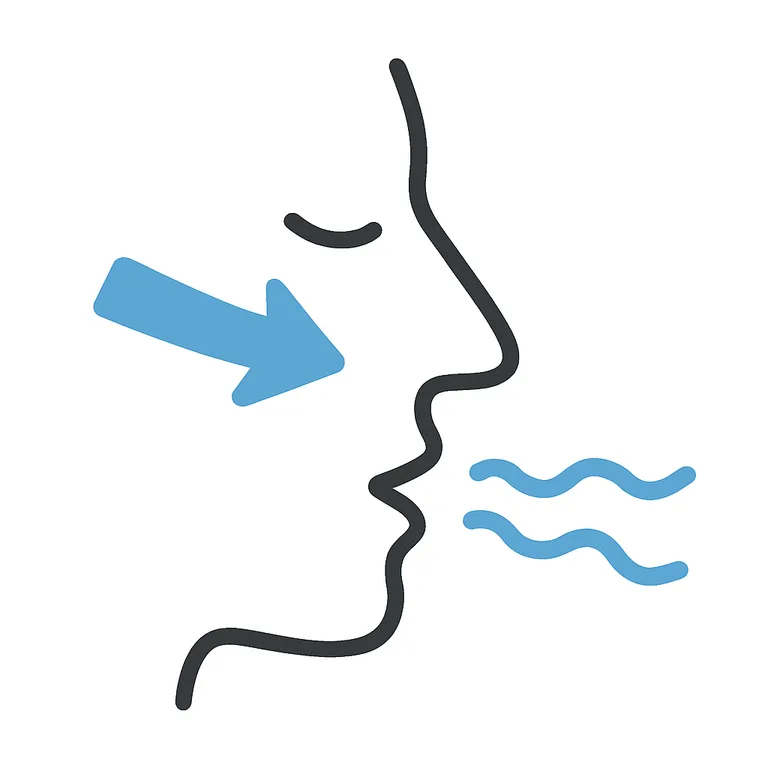
A typical set
- Deep Breaths
- Squeeze Ball
- Drink of Water
- Headphones
A sample made with HandsOnTop. Yours is written for your student.
The request is filled in. Choose how many cards, then click Generate.
30 free credits with an account — and one free try with none.
Tips for using it
- Only include strategies that are available in your room right now.
- Practise each card when the student is calm so it is familiar before it is needed.
- Offer the cards early, at the first sign, not at the peak.
Common questions
Which strategies should go on the cards?
The ones this student already uses or has agreed to try: breaths, a squeeze toy, water, a quiet spot, headphones, asking an adult. Four to six is enough; a long menu is not usable in the moment.
Where should the cards live?
A copy in the calm corner and a small copy on the desk or on a keyring. The student should never have to go looking for them.
Do they work with the emotions check-in?
Yes. The check-in notices the feeling; the calm-down cards are what to do about it. Many teachers mount the two sets side by side.