
Social story topics
Social story: When the timetable changes
A wet-weather lunch, a cancelled sport lesson, an assembly that was not on the board: small changes to the day can undo a student who was holding it together by knowing what came next. For many autistic and neurodivergent students the plan is the safety, and a change to the plan feels like a loss.
This story normalises change: sometimes the day is different, here is how we find out, here is what stays the same, and here is what to do with the feeling. Read it when nothing is changing, so it is familiar before it is needed, and use a "change" card on the visual timetable when it is.
A sample story
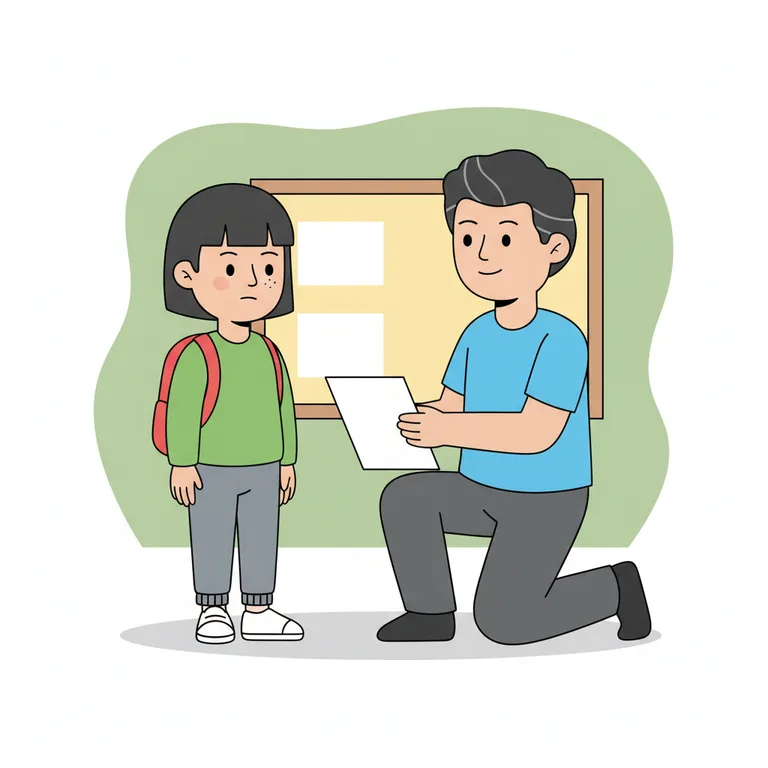
When My Day Changes
- 1Sometimes the timetable changes and the day is different.
- 2The maths lesson is not there today.
- 3My teacher knows that a change can feel strange in my body.
- 4I can look at the new paper and see what comes next.
- 5I know what is coming next, and I feel calm inside.
A sample made with HandsOnTop. Yours is written for your student.
Make this story for your student
The situation is filled in. Add a name and what they love, then click Make it — the first one is free.
Free to try · no card needed.
Tips for using it
- Introduce a "change" symbol on the visual timetable and point to it when it applies.
- Say what is not changing as well as what is.
- Read the story on an ordinary day first, before the first real change.
Common questions
Can one story cover all kinds of change?
Yes. This one is about change in general. For a big known change, such as a new classroom or a new school, a specific story works better.
How do I show the change on the day?
Pair the story with a first-then board or a visual timetable with a "change" card, so the student sees the new order rather than only hearing it.
Does it help to name the feeling?
Yes. The story names the disappointed or worried feeling and what the student can do with it, which gives the teacher the same words to use in the moment.