
Visual support ideas
Visual support: Classroom rules
Classroom rules are usually words on a poster, read out once in February. For many autistic and neurodivergent students a spoken reminder lands as a telling-off, and the rule itself is abstract: what does "respect" look like, exactly? The rules that work are the ones you can see.
A set of rule cards turns each expectation into one picture and one or two words. The teacher points to the card instead of speaking, which most students take far better, and the student can check the card themselves. Keep the set short and show what to do, not what to stop.
Sample cards
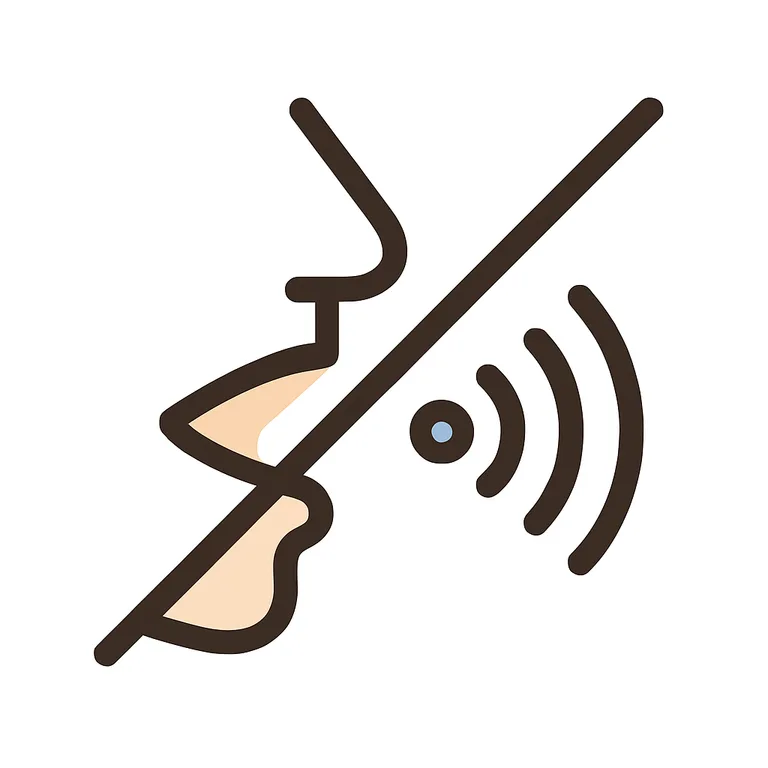
A typical set
- Quiet Voice
- Hand Up
- Kind Hands
- Listening Ears
A sample made with HandsOnTop. Yours is written for your student.
The request is filled in. Choose how many cards, then click Generate.
30 free credits with an account — and one free try with none.
Tips for using it
- Write rules as what to do, such as "walking feet", not what to stop.
- Point to the card instead of saying the rule; it is quieter and less personal.
- Keep a small copy of the set on the student’s desk as well as the wall.
Common questions
How many rules should there be?
Four to six. The cards are a reminder, not a code of conduct. If you have more rules than that, choose the ones this student needs most.
Can the pictures show a child doing the rule?
Yes. Each card shows the action, such as a raised hand or a finger to the lips, as a single clear image with the words underneath.
Do these replace a social story?
They work together. The social story explains the rule and why; the cards are the in-the-moment reminder. The stories for lining up, mat time and quiet voices pair well with this set.