
Social story topics
Social story: Asking for help in class
Asking for help means noticing you are stuck, finding words for it, getting the teacher’s attention and then waiting. Each of those is a step many autistic and neurodivergent students find hard, and the alternative, sitting quietly with a problem, is easy to miss in a busy room.
This story gives the student a short script and a signal, and describes what the teacher will do when they see it. Rehearse the signal once or twice so it feels normal. A small "I need help" card on the desk gives a student who cannot speak up in the moment a way to be seen.
A sample story
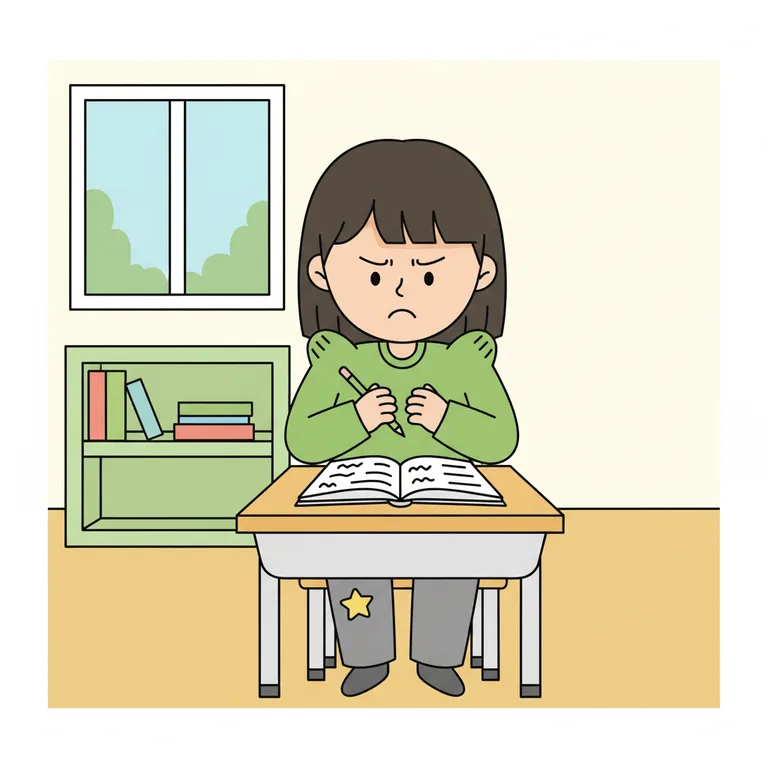
Asking for Help in Class
- 1Sometimes I look at my work and feel stuck.
- 2My teacher wants to help me when I am stuck.
- 3I put my hand up and wait at my desk.
- 4I ask for help, and I can keep going.
A sample made with HandsOnTop. Yours is written for your student.
Make this story for your student
The situation is filled in. Add a name and what they love, then click Make it — the first one is free.
Free to try · no card needed.
Tips for using it
- Agree one signal, a card or a hand on the desk, and use it every time.
- Respond to the signal quickly in the first week so the student learns it works.
- Praise the asking, not the answer.
Common questions
What if the student will not speak in class?
Write a non-verbal signal into the story, such as turning a card face up. The story should describe the way this student can really ask, not a way that sounds good on paper.
Can the story name a specific teacher?
Yes. Using the real names of the adults in the room makes the story concrete and helps a student who has more than one teacher.
How is this different from putting up my hand?
The hand-up story is about joining a class discussion. This one is about the private moment of being stuck and letting someone know, which many students find harder.